
Enhance Your Vehicle’s Style and Comfort with Ceramic Window Tint
Understanding Ceramic Window Tint
What is Ceramic Window Tint?
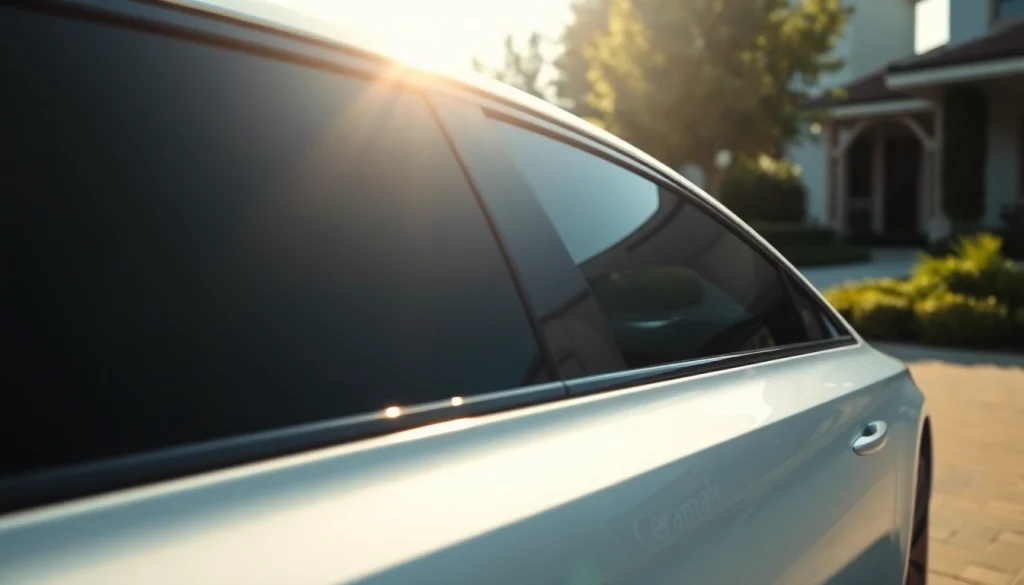
Ceramic window tint is an advanced window film option that utilizes ceramic technology to improve the aesthetics, comfort, and safety of vehicles and buildings. Unlike traditional tints, ceramic window tints are non-metallic, preserving signal interference and heat insulation properties while providing superior UV protection. This innovative film is designed to block harmful ultraviolet rays, reduce glare, and enhance privacy without compromising visibility. Many automotive enthusiasts and homeowners turn to ceramic window tint for its cutting-edge formulation.
Benefits of Ceramic Window Tint
- UV Protection: Ceramic window tint blocks up to 99% of harmful UV rays, which can help prevent skin cancer and keep the interior of your car or home from fading.
- Heat Reduction: By reflecting infrared light, ceramic tints can lower cabin temperatures significantly, reducing the need for air conditioning and improving fuel efficiency.
- Glare Reduction: These films help reduce glare from sunlight or headlights, enhancing driving visibility and comfort during bright days or at night.
- Enhanced Durability: Ceramic window tints are highly resistant to scratches, ensuring long-lasting quality and appearance.
- No Signal Interference: Since they are non-metallic, ceramic films do not interfere with electronic devices, making them ideal for modern vehicles equipped with navigation and communication systems.
How Ceramic Window Tint Works
Ceramic window tint works by employing nano-ceramic particles that are embedded within the film. Unlike traditional dye-based or metalized tints, these particles create a barrier that effectively repels heat and blocks UV rays. When sunlight hits the ceramic film, it reflects and absorbs a significant portion of the radiant energy, thereby preventing it from entering the interior space. This function not only maintains lower temperatures but also reduces reliance on air conditioning systems, contributing to energy efficiency.
Choosing the Right Ceramic Window Tint
Factors to Consider When Selecting
Before opting for ceramic window tint, several key factors should be evaluated to ensure you make the best choice for your specific needs:
- Visible Light Transmission (VLT): This measurement indicates how much light passes through the film. Depending on local regulations and personal preference, choosing the right VLT is crucial.
- IR Rejection Percentage: The effectiveness of a tint in rejecting infrared light affects comfort and heat management. Higher rejection percentages provide better heat reduction.
- Brand Reputation: Researching various manufacturers for reviews and product quality can be helpful in choosing a reliable product.
- Warranty: Ensure that the ceramic window tint comes with a warranty as it can indicate the manufacturer’s confidence in their product’s longevity.
Popular Ceramic Window Tint Brands
Several brands are recognized for their high-quality ceramic window tints. While the choice often depends on personal experience, general recommendations within the industry can guide you.
- Brand A: Noted for its advanced installation techniques and durability.
- Brand B: Focuses on UV protection and heat rejection effectiveness.
- Brand C: Offers a range of shades and customizable options to suit different preferences.
Price Range and Materials
The price of ceramic window tint can vary significantly based on brand, quality, and installation costs. Generally, expect to pay anywhere from $300 to $800 for a complete car tinting, depending on the vehicle size and the selected tint level. Higher-end brands and extended warranties may push costs even higher, but the investment typically pays off in terms of comfort and durability.
Installation Process of Ceramic Window Tint
DIY vs. Professional Installation
When it comes to installation, DIY options are available for those confident in their skills, but professional installation is highly recommended. Professional installers have the experience and tools required for a seamless application, reducing the risk of bubbles, creases, or peeling.
Preparation Before Installation
Whether choosing to install ceramic window tint yourself or hiring a professional, preparation is essential. Make sure your vehicle or window surface is clean and free of dirt and debris. For a DIY installation, ensure you have all the necessary materials, including the film, utility knife, squeegee, and application spray solution.
Post-Installation Care for Ceramic Window Tint
Post-installation care is crucial to prolong the life of your ceramic window tint. Avoid rolling down windows for at least 48 hours to allow the adhesive to cure properly. Clean the tinted surfaces with a mild solution and a soft cloth; avoid harsh chemicals to maintain the film’s integrity.
Performance and Longevity of Ceramic Window Tint
How Long Does Ceramic Window Tint Last?
Ceramic window tint is known for its longevity compared to other types of window films. High-quality ceramic tints can last anywhere from 10 to 20 years, depending on exposure to the elements and maintenance practices. Regular cleaning and adherence to care instructions can significantly extend the lifespan of the tint.
Comparing Ceramic Tint Durability with Other Options
When comparing ceramic window tint to dyed or metalized films, ceramic outperforms significantly in durability and performance. While dyed films may fade within a few years, and metalized films may cause signal interference, ceramic window tint consistently stands its ground against wear and tear, retaining its properties longer.
Maintenance Tips for Longevity
- Regularly clean the windows using a soft microfiber cloth to avoid scratches.
- Avoid ammonia-based cleaners that can damage the tint.
- Park in shaded areas when possible to minimize sun exposure.
- Inspect for bubbles and imperfections, and address these with your installer if noticed early.
Frequently Asked Questions about Ceramic Window Tint
Does ceramic window tint block UV rays?
Yes, ceramic window tint effectively blocks up to 99% of harmful UV rays, protecting both passengers and vehicle interiors.
Can I install ceramic window tint myself?
While DIY installation is possible, professional installation is recommended to achieve optimal results and avoid errors.
What are the legal restrictions on window tinting?
Legal restrictions vary by region regarding the permitted darkness level and reflection of window tints. Check local laws for compliance.
Will ceramic window tint fade over time?
Ceramic window tint is designed to resist fading over time, maintaining its clarity and performance for up to two decades.
How can I clean ceramic window tint safely?
Use a gentle, ammonia-free cleaner and a soft cloth when cleaning ceramic window tint to avoid damaging the film.